How I Met a Book Deadline While Island-Hopping Lake Titicaca (And Why My Client Never Knew)
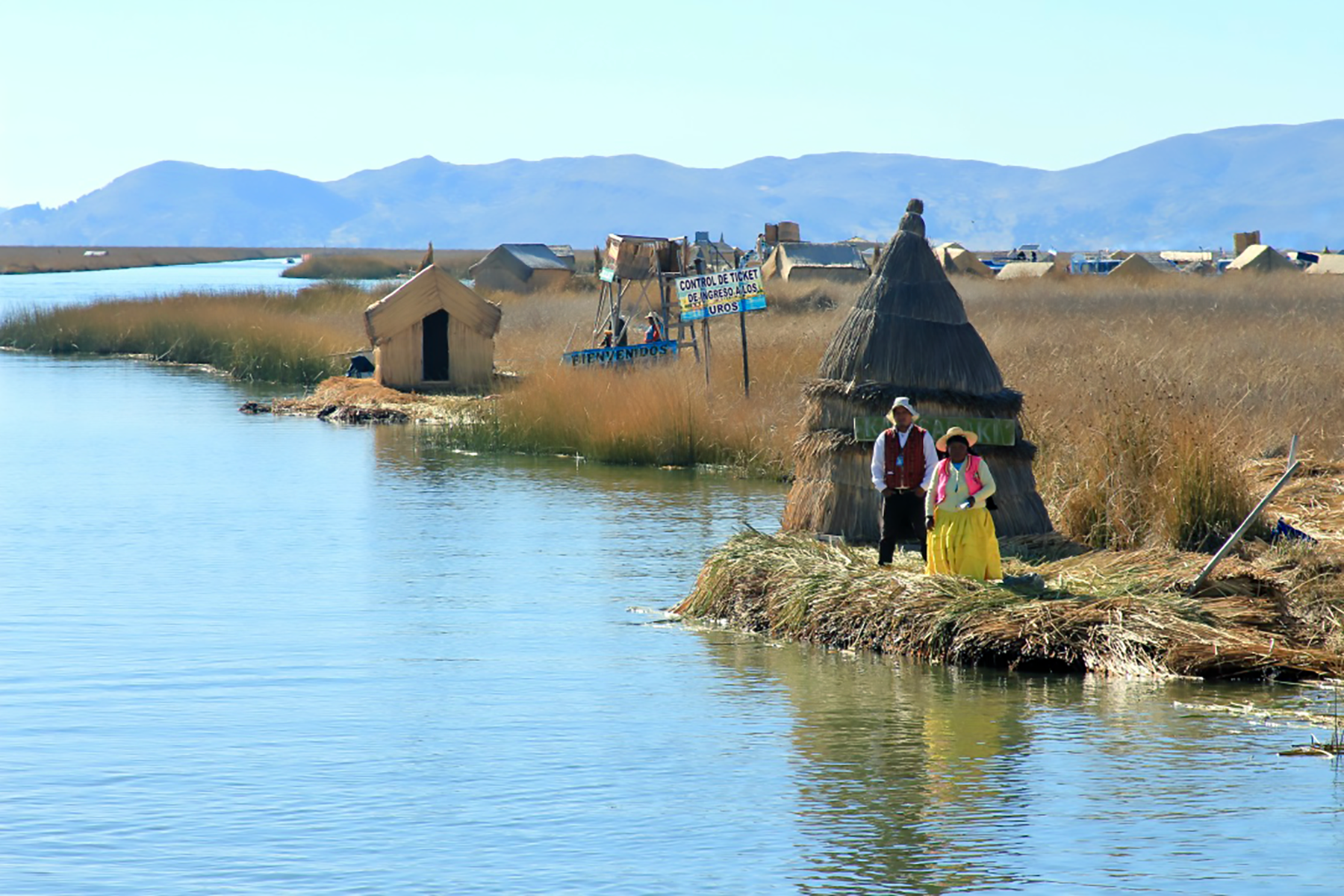
I arrived in Puno, Peru planning to stay two weeks. I had a major book design project due, a difficult client to manage, and Lake Titicaca—the world’s highest navigable lake at 14,000 feet—right outside my window.
The plan seemed perfect: work during the day, explore between deadlines, and soak in a culture I’d never experienced.
And for the first several days, it was.
The Islands Between Deadlines
Between work sessions, I explored three incredible islands in Lake Titicaca.
The Uros Floating Islands—where entire communities live on platforms made of woven reeds—were my first stop. I traveled by boat, watching these islands literally float on the water, understanding for the first time that people had built an entire civilization on something that moved.
Then, Taquile Island, known for its textile traditions and terraced hillsides.
But Amantani Island was where everything changed.
I stayed overnight with a homestay family. No hotels. No tourist infrastructure. Just their home, their hospitality, and their rhythm of life.
That night, standing outside under the clearest sky I’d ever seen, I watched the Southern Cross and the Milky Way stretch across the entire horizon. The altitude meant less atmosphere between me and the stars. It was absolutely magical—the kind of moment that reminds you why you chose this lifestyle in the first place.
I photographed everything. Took detailed notes. Fell in love with the resilience of people who’d built an entire way of life on water.
Then I returned to my hotel in Puno to finish the book project.
When Everything Falls Apart at 14,000 Feet
The WiFi was unusable.
Not slow. Not spotty. Essentially non-functional for uploading the large design files my client needed.
My deadline was one week away. My client was already demanding and difficult to work with. And I knew—absolutely knew—that telling her about my infrastructure problems would only make things worse.
She’d hired me to deliver excellent work on time. My location wasn’t her problem to solve.
So I didn’t tell her.
The Night Bus to Arequipa
That afternoon, I packed my bags and boarded a bus to Arequipa—a 5-hour journey through the Andes that I took overnight.
I arrived at sunrise, found an Airbnb with strong WiFi by mid-morning, and got back to work.
One week later, I delivered the project on time. The client was happy. She never knew I’d changed cities mid-project or that I’d been working at altitude with a failing internet connection.
The crisis existed. I solved it. She got her deliverable.
The Reward
After the project wrapped, I gave myself permission to breathe.
I traveled to Colca Canyon, one of the world’s deepest canyons, known for its condor population. I spent an afternoon photographing these massive birds in flight—wingspans up to 10 feet—gliding on thermal currents over the canyon walls.
One of those photos later appeared in a travel magazine.
That moment—watching condors circle against the canyon backdrop after successfully navigating a work crisis—felt like proof that this lifestyle works. You can have the adventure AND deliver excellent work. But it requires systems.
What I Learned (And What You Need to Know)
I got lucky in Puno. I had enough cash for the bus ticket. Arequipa had available Airbnbs with good WiFi. My backup plan materialized because I had experience making quick pivots.
But you shouldn’t have to rely on luck.
Here’s what that experience taught me about working remotely while traveling:
1. Always research your backup location before you arrive.
I knew Arequipa existed and had better infrastructure. That knowledge saved me. If I’d been truly isolated, the outcome could have been very different.
2. WiFi speed matters less than WiFi reliability.
Fast internet that cuts out constantly is worse than slower internet that stays connected. Test it before you commit to a month-long stay.
3. Difficult clients require predictable conditions.
If your client is demanding, you need a rock-solid infrastructure. Save the adventurous locations for when you’re working with flexible, understanding clients.
4. Budget for contingencies.
That emergency bus ticket and last-minute Airbnb weren’t in my original budget. I could absorb the cost, but it was a reminder that “things going wrong” needs its own line item.
5. The destination decision is actually a work-compatibility decision.
Lake Titicaca is incredible. But “incredible to visit” and “functional for remote work” are completely different criteria.
Why This Matters for Your Remote Work Planning
When people ask me how to plan a remote work trip, they usually focus on the wrong questions:
- “Where should I go?”
- “What’s the cost of living?”
- “Is it safe?”
Those matter. But the real question is, “Can I deliver my best work from this location, even when things go wrong?”
Because things will go wrong. WiFi fails. Power cuts out. You get sick. Your Airbnb isn’t as described. Time zones create scheduling nightmares.
The difference between a successful workaway trip and a disaster isn’t whether problems occur—it’s whether you have systems to handle them.
You Can Have Both
The floating islands were magical. Colca Canyon was breathtaking. The published condor photo hangs in my portfolio.
But the real victory was meeting my deadline despite a crisis my client never knew about.
You can have the adventure AND deliver excellent work. You just need better systems than “hope nothing goes wrong.”